Why Gaming Is Good For The Brain: The Surprising Mental Benefits of Playing Games
Why Gaming Is Good For The Brain: The Surprising Mental Benefits of Playing Games
For many years, gaming was often seen as a simple pastime or even a distraction. Today, that perception is rapidly changing. Research, player experiences, and modern game design all point to one important truth: gaming can be very good for the brain. From improving cognitive skills to supporting emotional well-being, video games offer far more mental benefits than most people realize.
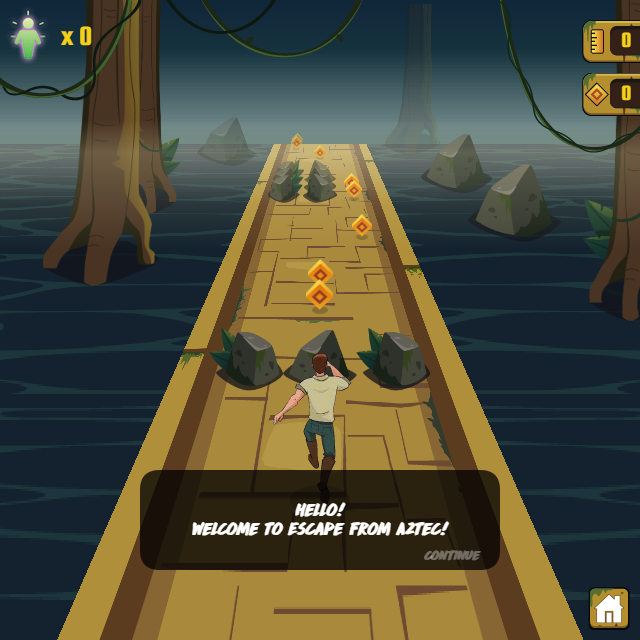
One of the strongest benefits of gaming is how it improves problem-solving skills. Many games are built around challenges that require players to think critically, plan ahead, and adapt to new situations. Puzzle games, strategy games, and even action games constantly present problems that must be solved quickly and efficiently. Over time, this trains the brain to analyze situations faster and make better decisions, skills that are useful in everyday life.
Gaming also helps improve memory and concentration. While playing, the brain is actively engaged in remembering objectives, rules, maps, patterns, and strategies. Role-playing games and adventure games, for example, often require players to track multiple tasks and story elements at once. This mental exercise strengthens both short-term and long-term memory, while also improving the ability to focus for longer periods.
Another major benefit of gaming is enhanced hand–eye coordination and reaction time. Fast-paced games require precise movements and quick responses to visual and audio cues. As players practice these skills, the brain becomes more efficient at processing information and sending signals to the body. This improved coordination can be helpful not only in other games but also in real-world activities such as driving, sports, and typing.
Gaming is also known to stimulate creativity and imagination. Many modern games allow players to explore open worlds, build structures, customize characters, and create unique solutions to problems. Sandbox and simulation games especially encourage creative thinking, giving the brain freedom to experiment and innovate. This creative stimulation can inspire new ideas and improve flexible thinking outside of gaming.
Social and multiplayer games provide important mental and emotional benefits as well. Playing with others encourages communication, teamwork, and cooperation. Multiplayer games often require players to strategize together, share responsibilities, and adapt to different personalities. These interactions help develop social skills, emotional intelligence, and a sense of belonging, which are essential for mental health.
Gaming can also be an effective way to reduce stress and improve mood. Engaging in a game allows the brain to relax by focusing on enjoyable challenges rather than daily worries. Completing levels, earning rewards, and achieving goals release dopamine, a chemical associated with pleasure and motivation. This can help reduce anxiety, lift mood, and provide a healthy escape from stress when balanced properly.
Additionally, gaming supports learning and mental flexibility. Many educational and skill-based games teach players new concepts such as language, history, logic, and resource management. Even entertainment-focused games often involve learning complex systems and adapting to new rules. This constant learning keeps the brain active and flexible, which is important for long-term cognitive health.
Gaming can also improve perseverance and resilience. Games are built around failure and retrying. Players learn to accept mistakes, adjust strategies, and try again until they succeed. This mindset builds patience, determination, and confidence, helping players develop a healthier approach to challenges in real life.
It is important to note that balance is key. Like any activity, gaming is most beneficial when done in moderation. Healthy gaming habits, such as taking breaks, staying active, and managing screen time, ensure that players enjoy the benefits without negative effects.
In conclusion, gaming is far more than just entertainment. It challenges the brain, sharpens mental skills, boosts creativity, supports emotional well-being, and encourages social interaction. When enjoyed responsibly, video games can be a powerful tool for brain development and mental health. Rather than asking whether gaming is good for the brain, the real question may be how we can use it wisely to unlock its full potential.


Comments
Post a Comment